
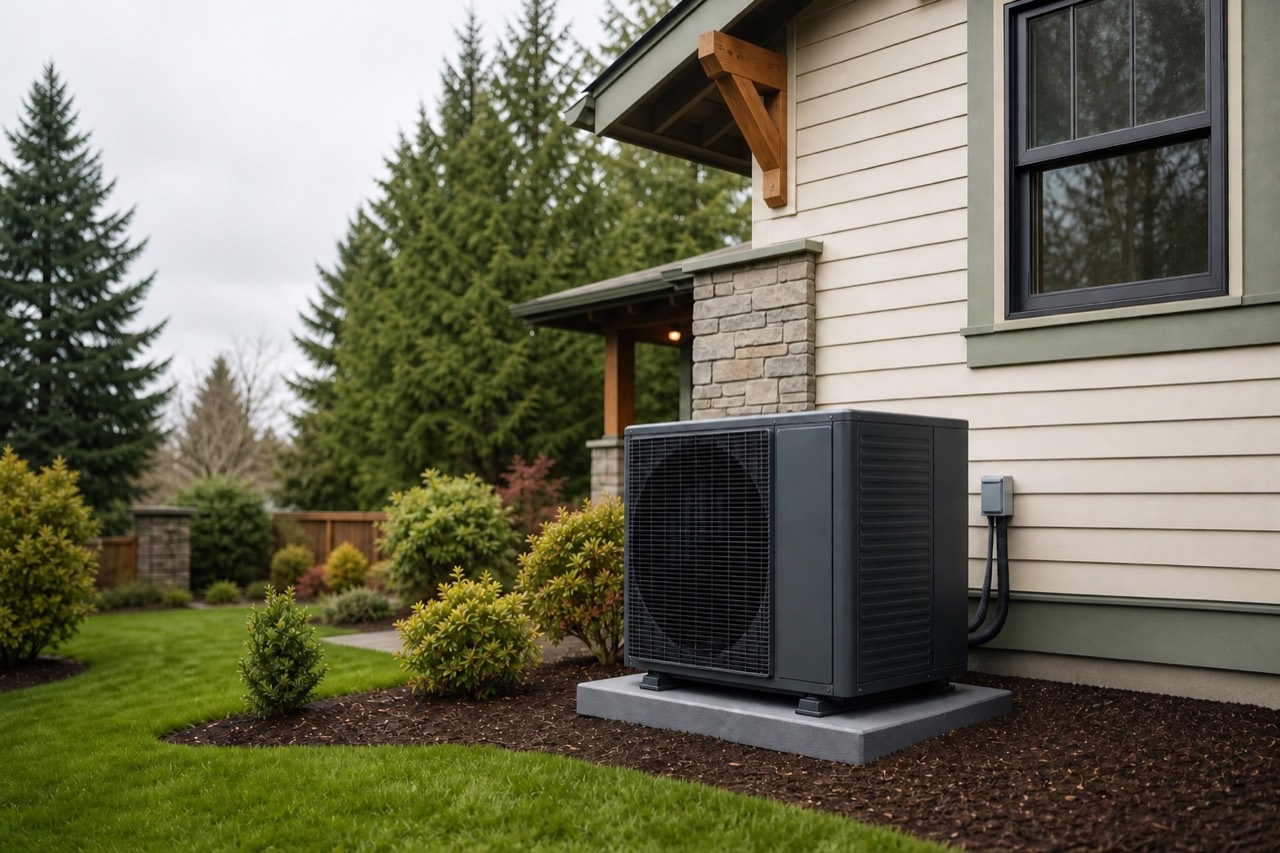
A better heat pump starts with a better plan.
The outdoor unit may be the most visible part of a heat pump, but long-term comfort depends on the entire system. Equipment capacity, indoor air handler, electrical requirements, refrigerant piping, thermostat controls, ductwork and airflow all need to work together.
That is why a useful installation estimate should begin with your home—not merely the model number on the equipment being replaced.
What we consider before installation
Your current system
We look at the furnace, air conditioner or heat pump you have now, including the fuel source, age, condition and how well it serves the home.
Heating and cooling needs
Home size matters, but so do insulation, windows, orientation, air leakage and the rooms that are hardest to keep comfortable.
Ductwork and airflow
Existing ducts may be reusable, but restrictions, leakage or inadequate returns can limit performance even when the new equipment is efficient.
Electrical and installation details
We account for available electrical capacity, equipment placement, condensate drainage, service access, permits and manufacturer requirements.
Ducted heat pumps for Canby homes
A ducted split heat pump typically combines an outdoor unit with an indoor air handler or compatible furnace. It can use the same basic duct system that previously served a forced-air furnace and central air conditioner, subject to an airflow evaluation.
Canby’s generally moderate winters and increasingly warm summers make year-round heat-pump comfort attractive, but the right equipment still depends on the specific home. Variable-speed systems can provide quieter operation and steadier temperatures, while simpler staged equipment may fit a different budget.
What happens on installation day?
The exact work depends on the project, but a replacement commonly includes removing the old equipment, preparing the equipment pad and indoor location, setting the new units, completing refrigerant and electrical connections, adapting ductwork where needed, pressure testing, evacuation, startup and performance checks.
Before handoff, the system should be tested in its operating modes and the homeowner should understand the thermostat, filter and basic maintenance needs.
General heat-pump and shared-ductwork information: U.S. Department of Energy.